A prepaid SIM is a pay-as-you-go mobile service that allows you to use a fixed data allowance or validity period after purchasing it in advance.
It does not require a monthly contract or cancellation procedure, making it useful for overseas travel, travel in Japan, temporary stays, business trips, and short-term mobile data use.
Prepaid SIM services are generally available in two formats: a physical SIM card that you insert into your smartphone and an eSIM that you add digitally to your device.
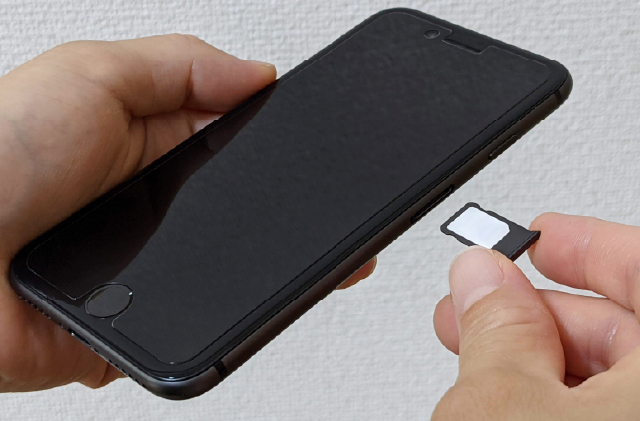
A physical SIM card is inserted into the SIM tray of your smartphone. It is widely compatible with many devices and can often be used by inserting the card into another compatible device.
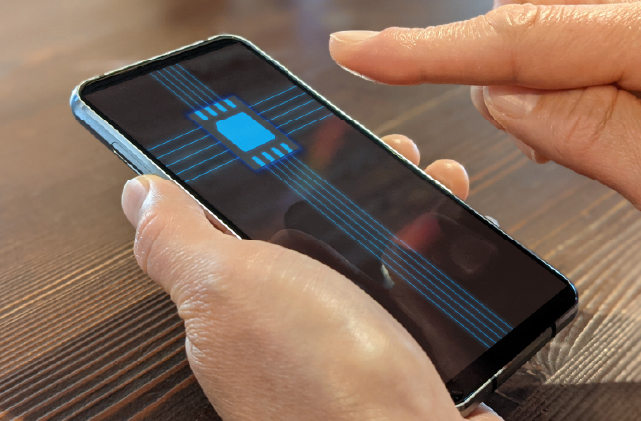
An eSIM is a digital SIM that does not require a physical card. You can add a mobile plan to your smartphone by scanning a QR code or entering setup information.
A prepaid SIM is a mobile communication service that you pay for in advance and use within a fixed data allowance or validity period. Unlike a standard monthly mobile contract, it does not require a long-term agreement, monthly billing, or cancellation procedure.
Many prepaid SIM plans are sold as combinations of validity period and data allowance, such as “7 days / 3GB,” “30 days / 10GB,” or “180 days / 50GB.” This makes them convenient for travel, short stays, temporary return to Japan, business trips, and temporary mobile data use.
Available countries or regions, data allowances, validity periods, network coverage, voice call support, and SMS availability differ by product. Before purchasing, it is important to check your destination, device compatibility, and the amount of data you need.
Prepaid SIM services generally come in two formats. The first is a physical SIM card, which is inserted into the SIM tray of a smartphone. The second is an eSIM, which is added digitally to your smartphone by scanning a QR code or entering setup information.
Both formats can be prepaid services if they are sold with a fixed validity period or data allowance. In other words, “prepaid SIM” and “eSIM” are not opposing concepts. A prepaid SIM is the service type, while physical SIM cards and eSIMs are the formats in which that service can be provided.
A physical SIM card is inserted into the SIM tray of your smartphone. It is easy to use with many physical-SIM-compatible devices and is suitable for users who prefer to prepare a SIM card before travel.
An eSIM does not require a physical card. Instead, a mobile plan is added to the device using a QR code or setup information. If your smartphone supports eSIM, it is convenient for online preparation before travel.
A physical prepaid SIM card is a removable SIM card that you insert into a smartphone, tablet, or other compatible device. After inserting the SIM card into the SIM tray, you may need to configure APN settings depending on the product and device.
Physical SIM cards are widely supported by many smartphones and can be easy to use for users whose devices do not support eSIM. In some cases, if the conditions are compatible, the SIM card can also be moved to another device.
A physical SIM card is suitable for users with non-eSIM devices, people who are comfortable inserting and removing SIM cards, users who prefer to manage a packaged product, and those who may change devices during use.
Check whether your device is SIM-unlocked, whether the SIM size is compatible, and whether the product supports your destination country, region, and network.
A prepaid eSIM is a digital SIM service that allows you to add a mobile plan to the eSIM function built into your smartphone. Instead of inserting a physical card, you install the plan using a QR code or setup information provided after purchase.
Because no physical delivery is required, prepaid eSIMs are convenient for users who want to prepare mobile data online before overseas travel or business trips. eSIM products sold on the DHA MOBILE website for both Nippon SIM and DHA SIM are issued immediately after purchase, allowing compatible devices to be set up quickly. However, eSIMs can only be used on eSIM-compatible devices.
An eSIM is suitable for users with eSIM-compatible smartphones, people who want to prepare online before departure, users who do not want to swap physical SIM cards, and those who need mobile data quickly.
Confirm that your device supports eSIM, that it is SIM-unlocked if necessary, and that you have a WiFi connection available to scan the QR code and complete setup.
Physical SIM cards and eSIMs can both be used as prepaid mobile services. The main difference is whether you use a physical card or add the mobile plan digitally to your device. Choose the format based on device compatibility, setup speed, and how you prefer to manage your mobile plan.
| Item | Physical SIM Card | eSIM |
|---|---|---|
| Format | Physical card | Digital SIM built into the device |
| How to receive | Delivery, store, airport, etc. | Email, QR code, setup information, etc. |
| Setup method | Insert SIM card and configure APN if needed | Scan QR code and add mobile plan |
| Compatible devices | Devices with physical SIM support | eSIM-compatible devices |
| Time to start using | After receiving the product and completing setup | Can often be set up immediately after purchase |
| Risk of loss | Possible to lose the physical SIM card | Lower because there is no physical card |
| Device change | May be transferred by moving the card | May require reissue or reinstallation |
| Best for | Users who want broad device compatibility | Users who want fast online setup |
A prepaid SIM is mainly used for mobile data communication. You can use it for web browsing, map apps, social media, messaging apps, translation apps, video streaming, tethering, and other smartphone data functions.
Voice calls and SMS availability depend on the product. Data-only prepaid SIMs may not support phone-number-based voice calls or SMS, so be sure to check the product details if these functions are required.
Use map apps such as Google Maps, web search, social media platforms such as Instagram or X, email, and online news.
Prepaid SIMs are useful for messaging apps such as LINE, WhatsApp, and Messenger, as well as translation apps such as Google Translate.
You can watch videos on services such as YouTube. However, video streaming uses a large amount of data, so a larger data plan is recommended.
If the product and device support tethering, you can share your smartphone’s connection with a laptop, tablet, or other devices.
A prepaid SIM lets you pay in advance for the amount of data and validity period you need. A monthly SIM plan, on the other hand, is a continuing mobile contract with recurring monthly payments.
Prepaid SIMs are well suited for short-term use, travel, temporary return to Japan, and business trips. For long-term everyday use as a main mobile line, a monthly SIM plan may be more appropriate in some cases.
| Item | Prepaid SIM | Monthly SIM Plan |
|---|---|---|
| Payment | Pay in advance | Monthly payment |
| Contract period | Short-term or fixed period | Continuous use |
| Monthly fee | None | Required |
| Cancellation | Generally not required | Required |
| Typical use | Travel, short stays, temporary use | Main daily mobile line |
| Overspending risk | Low | Additional charges may apply depending on plan |
Rental WiFi is another common option for mobile internet during overseas travel or short stays. A prepaid SIM is set up directly on your smartphone, so you do not need to carry a separate WiFi router.
Rental WiFi can be useful when several people want to share one connection at the same time. Compare the number of users, amount of luggage, pickup and return procedures, charging needs, and total cost before choosing.
| Item | Prepaid SIM | Rental WiFi |
|---|---|---|
| Device used | Set up directly on smartphone | Carry a separate WiFi router |
| Type | Physical SIM card / eSIM | WiFi router |
| Pickup / return | Not needed for eSIM; depends on product for physical SIM | Often required |
| Luggage | Less to carry | Router adds extra item |
| Charging | Smartphone only | Smartphone and router |
| Loss risk | Lower except for physical SIM card loss | Replacement fee may apply |
| Multiple users | Possible via tethering if supported | Suitable for multiple users |
A prepaid SIM is a one-time purchase service, so no monthly contract or long-term commitment is required. You can prepare mobile data only for the period you need.
Because the price is fixed in advance, it is easier to manage mobile data costs during travel or short stays. This helps reduce the risk of unexpected high bills.
Prepaid SIMs are useful for maps, translation, social media, messaging apps, and travel information while away from home. They are especially suitable for short-term or temporary mobile data use.
Unlike rental WiFi, you do not need to carry an additional router. You can use mobile data directly from your smartphone while moving around.
Prepaid SIMs are convenient, but there are several points to check before purchase. Device compatibility, SIM lock status, APN settings, supported countries or regions, and voice call or SMS availability should all be confirmed in advance.
A prepaid SIM may not work if your device is SIM-locked or does not support the required network bands for the destination.
With a physical SIM card, you may need to configure APN settings before using mobile data. Check the product guide or included manual for setup instructions.
A prepaid eSIM cannot be used unless your smartphone supports eSIM. Always confirm device compatibility before purchase.
A prepaid SIM has a fixed validity period and data allowance. Be careful not to exceed the data limit or let the validity period expire.
When choosing a prepaid SIM, first check your device and usage scenario. Decide whether you need a physical SIM card or eSIM, where you will use it, how many days you need it for, and how much data you are likely to use.
If your device supports eSIM and you want online setup, an eSIM is convenient. If your device does not support eSIM or you prefer a physical card, choose a physical SIM card.
The right product depends on whether you will use it in Japan or overseas. Always confirm the supported countries and regions before purchase.
Select a validity period that matches your trip or stay, such as 2 days, 7 days, 30 days, 180 days, or 365 days.
Light users mainly using maps and messaging can choose a smaller plan. Users who use social media, video streaming, or tethering should choose a larger data allowance.
| Usage style | Estimated data per day | How to choose |
|---|---|---|
| Maps, search, and messaging | 300MB–500MB | A smaller data plan may be enough for short trips. |
| Frequent social media use | 500MB–1GB | Choose a plan with extra data if you post or view many photos. |
| Video streaming | 1GB–3GB or more | Video uses a lot of data, so a larger plan is recommended. |
| Tethering | Larger data allowance recommended | Choose extra data if connecting a laptop or tablet. |
Prepaid SIMs can be used in many situations, including overseas travel, travel in Japan, temporary return to Japan, business trips, and short-term domestic use. Choose between a physical SIM card and an eSIM based on your device and how quickly you want to prepare.
| Usage scene | Recommended type | Reason |
|---|---|---|
| Overseas travel | eSIM / Physical SIM card | Choose eSIM for preparation before departure, or physical SIM card if you value broad device compatibility. |
| Travel in Japan | Physical SIM card / eSIM | Useful when you want to use maps, translation apps, and travel information immediately after arriving in Japan. |
| Temporary return to Japan | Physical SIM card / eSIM | You can prepare mobile data only for your stay in Japan without signing a monthly contract. |
| Business trip | eSIM | Convenient for quick online preparation before urgent travel or business use. |
| Non-eSIM device | Physical SIM card | If your device supports physical SIM cards, you can insert the SIM card and use it. |
| Users who do not want to swap SIM cards | eSIM | An eSIM can be set up digitally, reducing the need to handle or store a physical SIM card. |
The setup process differs depending on whether you use a physical SIM card or an eSIM. In both cases, confirm that your smartphone is compatible, SIM-unlocked if necessary, and supported in the country or region where you plan to use the service.
If your prepaid SIM does not work properly, checking the settings may solve the issue. If you cannot connect to mobile data, the SIM card is not recognized, or the eSIM cannot be installed, review the points below.
Check APN settings, mobile data, data roaming, airplane mode, and restart the device. Some products require data roaming to be turned on when used overseas.
Check the SIM card direction, SIM tray condition, SIM lock status, and device network band compatibility. Restarting the device may also help.
Confirm that your device supports eSIM, that it is connected to WiFi, and that the QR code has not already been used. Some QR codes cannot be reused after installation.
Check signal strength, network congestion, data allowance usage, and service area. Some products may reduce speed after the data allowance is used up.
DHA MOBILE provides prepaid mobile communication services designed for different usage needs. Nippon SIM is a prepaid SIM brand for use in Japan, while DHA SIM is a prepaid SIM brand for overseas travel. These services are useful for travel, temporary return to Japan, business trips, and short-term stays.
You can choose a product based on the validity period and data allowance you need, without signing a monthly contract. Depending on the product, physical SIM cards, eSIMs, and recharge options may be available.
eSIM products for both Nippon SIM and DHA SIM sold on the DHA MOBILE website are issued immediately after purchase. This means you can prepare your mobile data online without waiting for delivery, making it convenient before urgent travel or business trips.
Nippon SIM is a prepaid SIM brand for use in Japan. It is convenient for travel in Japan, temporary return to Japan, short-term domestic use, and business trips.
DHA SIM is a prepaid SIM brand for overseas travel. It is useful when you want to use map apps, translation apps, social media, and messaging apps during your trip.